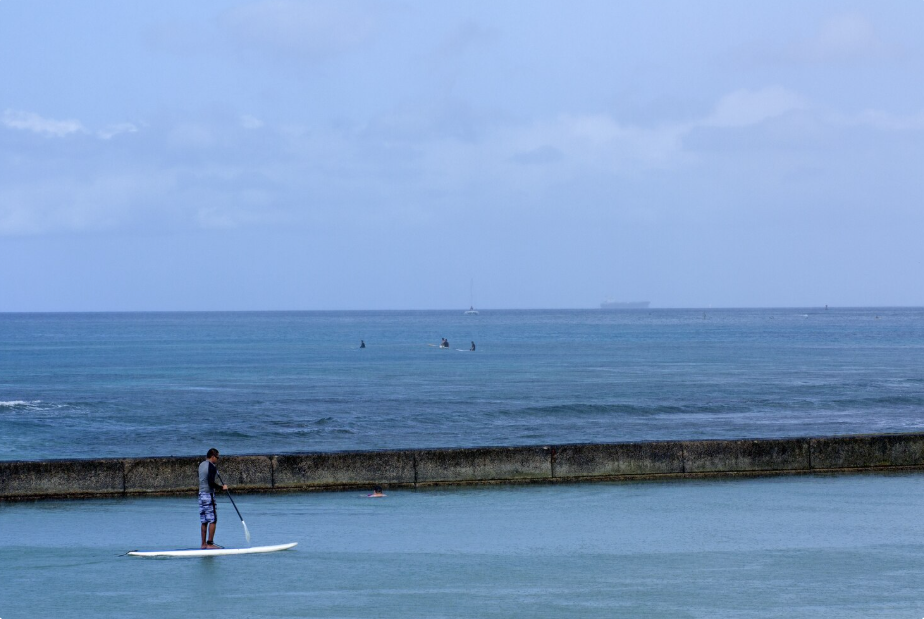
Coastal areas face some of the most challenging environmental conditions, including saltwater, strong winds, high tides, and relentless waves that can strain buildings and infrastructure. Coastal construction practices used in modern waterfront projects are specifically tailored to these demands, focusing on protecting structures from marine exposure while ensuring lasting stability, safety, and resilience for both communities and the surrounding environment.
Understanding the Marine Environment
Building near the coast is very different from inland construction. Coastal engineers must consider not only the immediate site conditions but also long-term environmental changes. Saltwater is highly corrosive, soil near the shoreline can be unstable, and waves and tides continuously reshape the land. Understanding these factors allows builders to design structures that can endure decades of marine exposure without significant damage.
Strong Foundations for Coastal Structures
Foundations are the most critical element in coastal construction. The constant movement of water and unstable soils can undermine standard foundations over time. Modern techniques involve deep foundation systems anchored into stable soil layers, reinforced concrete footings, and adjustable foundation solutions in tidal areas. These methods ensure that buildings remain secure even when the surrounding environment is constantly changing.
Choosing Materials That Resist Saltwater
Saltwater can rapidly deteriorate metals, wood, and concrete if the wrong materials are used. Coastal construction uses marine-grade concrete, corrosion-resistant metals, and treated wood or composite materials. Protective coatings and sealants are often applied to surfaces exposed to the elements. Choosing materials specifically engineered for marine exposure significantly reduces maintenance costs and prolongs the life of structures.
Designing for Waves and Wind
Structures near the ocean must handle the forces of waves and wind on a daily basis. Coastal construction incorporates design features such as reinforced walls, elevated foundations, and aerodynamic shapes to reduce wind pressure. Drainage systems are carefully planned to prevent water from pooling near critical structural elements. By considering these forces during the design phase, buildings are better prepared to resist damage from storms and high tides.
Erosion Control and Shoreline Protection
Erosion is a major concern in coastal construction, as waves and tides continuously wear away the shoreline, threatening foundations and structural stability. The engineering thought process behind coastal construction involves combining hard solutions like reinforced shoreline barriers and revetments with natural approaches such as vegetation and living shorelines. This integrated strategy absorbs wave energy, stabilizes soil, and protects buildings from long-term erosion while supporting environmental resilience.
Planning for Long-Term Maintenance
Even the strongest coastal structures require maintenance to remain effective against marine exposure. Coastal construction projects include provisions for regular inspections, easy access to critical structural components, and upgrades as conditions change. Forward-thinking planning ensures that buildings remain resilient against increasing sea levels and more frequent extreme weather events.
Environmental Considerations
Building near the coast also involves respecting local ecosystems. Coastal construction projects aim to minimize disruption to wetlands, preserve native vegetation, and protect wildlife habitats. Integrating environmental considerations not only safeguards natural resources but also contributes to the stability and resilience of the shoreline itself.
Conclusion
Coastal construction that safeguards buildings from marine exposure depends on thoughtful design, robust materials, and solid foundations paired with long-term maintenance. By shaping stronger waterfront communities, these projects address the challenges of saltwater, tides, wind, and erosion, creating resilient and sustainable structures that can last for decades. Such careful planning ensures that waterfront neighborhoods remain safe, functional, and well-protected against the forces of the ocean.