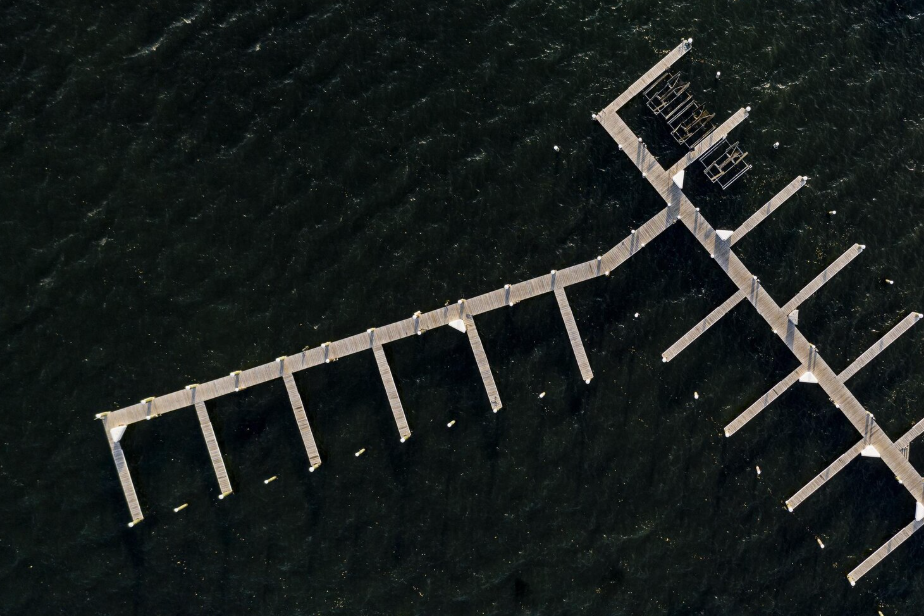
Waterfront areas in Florida offer stunning views and valuable economic opportunities, but they also come with unique construction challenges. Coastal construction in Florida must address constant exposure to waves, tides, saltwater, and strong winds, which can gradually weaken structures. Companies searching for seawall construction near me services often look for long-term solutions that improve shoreline stability and reduce erosion. Modern waterfront projects use methods that enhance durability, safeguard surrounding environments, and help coastal properties remain resilient over time.
Understanding the Waterfront Environment
Before any construction begins, engineers study the area carefully. They examine tidal patterns, wave intensity, soil types, and wind exposure. Environmental factors such as vegetation, wetlands, and wildlife habitats are also considered. Understanding the natural conditions allows designers to plan projects that work with the coastline rather than against it. Many seawall construction Miami projects begin with detailed environmental assessments to ensure safe and sustainable waterfront development.
Foundations That Provide Stability
Strong foundations are essential in waterfront construction. Soft or shifting soils near water can undermine buildings if not addressed properly. Modern practices include deep foundation systems anchored into stable soil layers and reinforced concrete footings. Some projects also use adjustable foundation solutions in tidal areas. A solid foundation ensures that structures remain secure, even during storms or high tides. A top seawall construction company understands how critical stable foundations are for long-term coastal protection.
Erosion Control Strategies
Erosion is one of the greatest threats to waterfront projects. Coastal construction uses a combination of natural and engineered solutions:
- Seawalls and bulkheads absorb and redirect wave energy
- Riprap or rock barriers prevent soil from washing away
- Living shorelines with plants help stabilize sediment and reduce wave impact
These measures protect both buildings and the natural shoreline while maintaining the surrounding ecosystem. Seawall construction South Florida projects often combine these strategies to strengthen coastal resilience while preserving waterfront environments.
Materials Built for Coastal Conditions
Saltwater, wind, and moisture make many materials unsuitable for waterfront projects. Using the right materials is crucial to long-term performance. Modern coastal construction often relies on marine-grade concrete, stainless steel or coated metals, and treated wood or composite materials. Protective coatings are also applied to surfaces exposed to water, ensuring durability and reducing maintenance needs. The best seawall construction company focuses on materials that can withstand years of harsh coastal exposure.
Designing for Weather and Water
Coastal structures must withstand storms, strong waves, and tidal surges. Modern designs include:
- Elevating buildings above predicted flood levels
- Reinforcing roofs, walls, and connections to resist wind pressure
- Installing drainage systems that direct water away from foundations
By anticipating extreme conditions, these designs help structures remain functional and safe. The best seawall construction company in Miami also prioritizes storm-resistant engineering solutions that protect both properties and shorelines.
Integrating Sustainability
Environmental awareness is a key part of modern waterfront construction. Sustainable practices are incorporated to reduce impact on ecosystems and preserve natural defenses:
- Preserving wetlands and existing vegetation
- Using living shorelines instead of rigid barriers where possible
- Minimizing disturbance to local wildlife
- Designing projects that can adapt to future sea level changes
Sustainability ensures that coastal development remains responsible, durable, and environmentally conscious.
Maintenance and Long-Term Planning
Even well-built structures require ongoing care. Modern projects include maintenance plans that allow for regular inspections and repairs. Structures are designed to accommodate future adjustments for rising sea levels or increased tidal activity. This approach keeps waterfront buildings safe, stable, and reliable for decades.
Conclusion
Modern waterfront construction combines smart planning, strong foundations, erosion control, durable materials, and environmental stewardship. By integrating these coastal construction practices, builders create structures that withstand waves, wind, and saltwater exposure while reducing shoreline wear. These methods protect both communities and ecosystems, ensuring that waterfront areas remain safe, stable, and sustainable for the long term.